Sydney at a glance
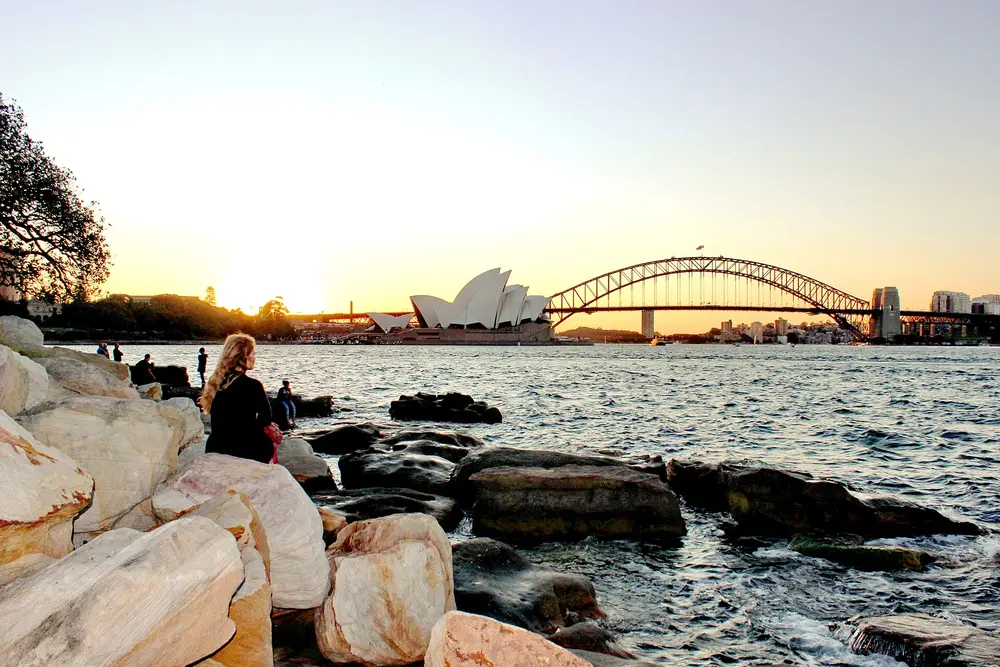
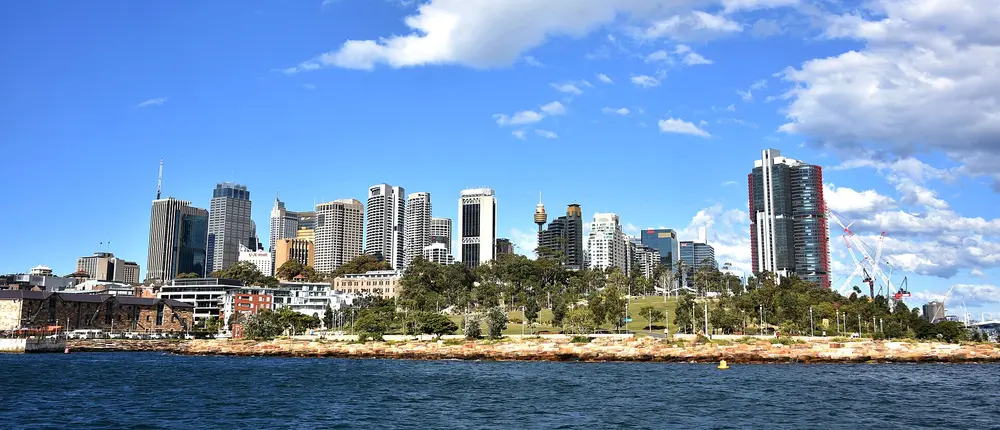
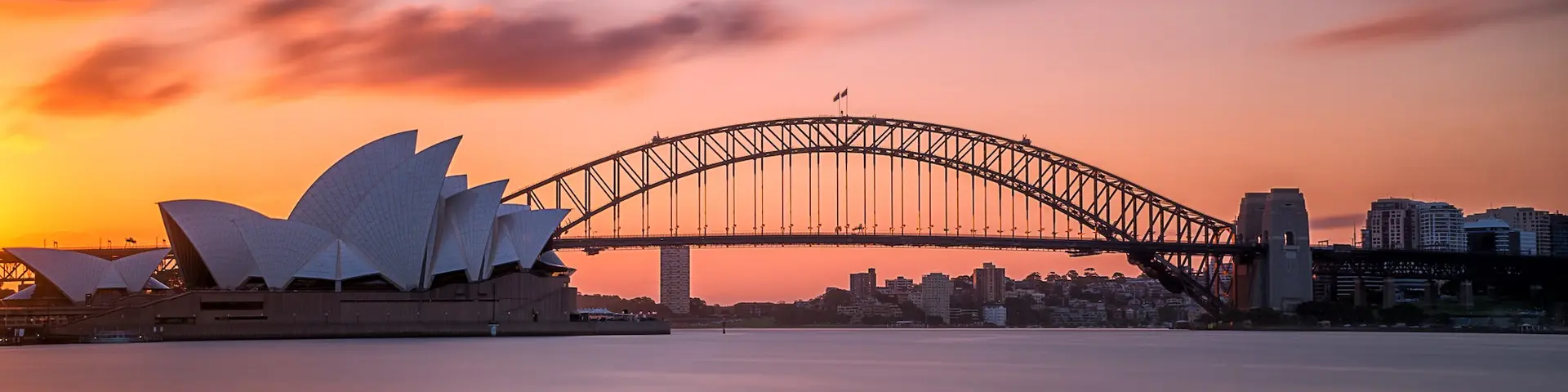
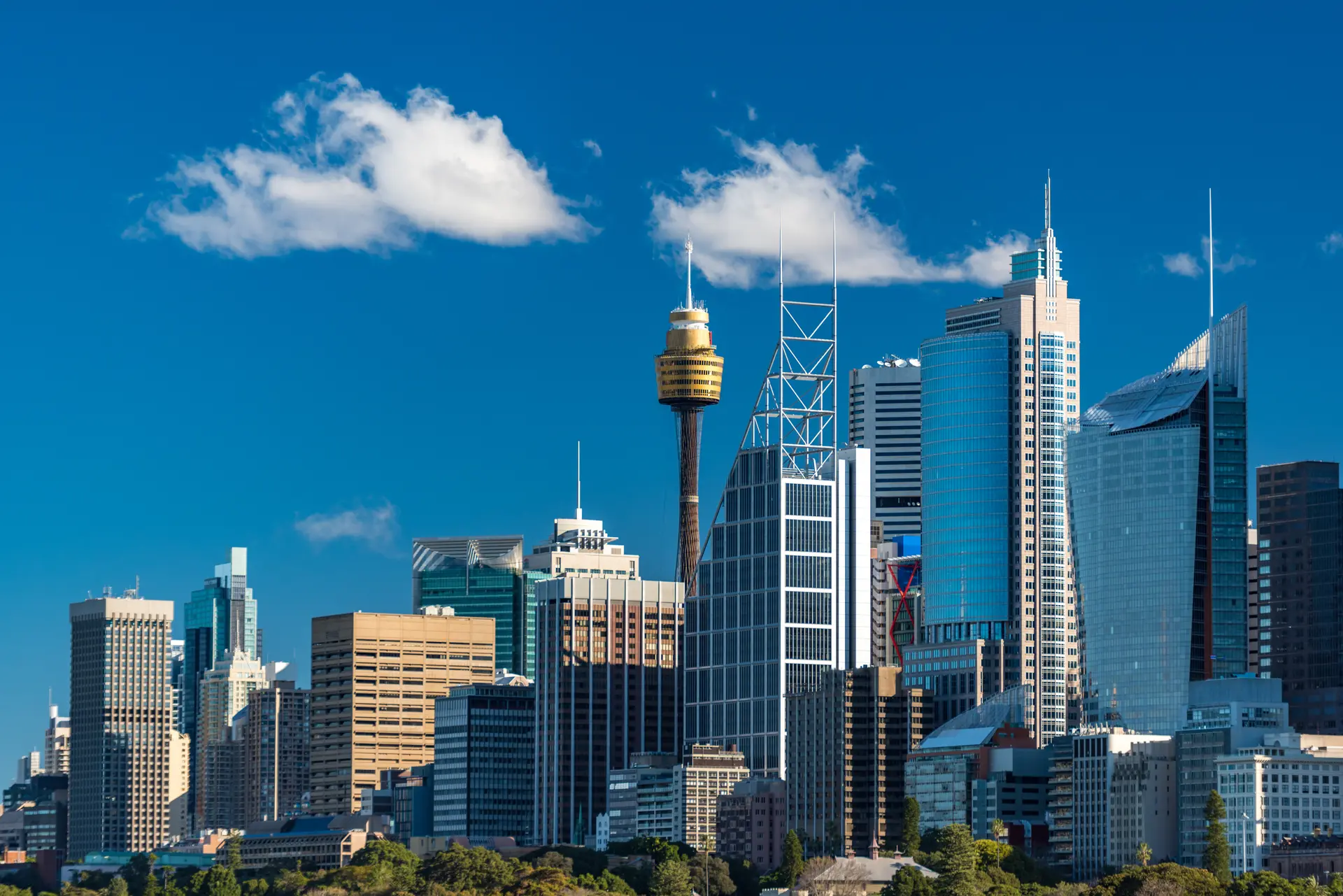
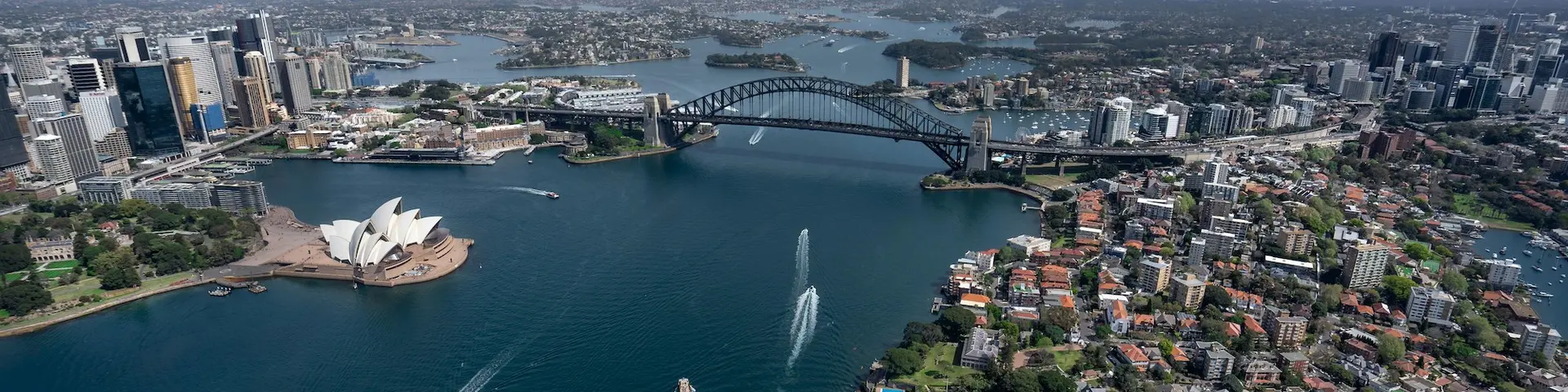
Sydney is Australia's largest city, home to more than five million people spread around a huge, branching harbour. The city centre sits on the southern shore: the CBD runs south from Circular Quay, The Rocks wraps the western side of Sydney Cove and the Opera House stands on Bennelong Point. The Harbour Bridge links the centre with the North Shore, and the Pacific beaches lie about 7 km east (Bondi) and 11 km north-east by ferry (Manly).
The land is the country of the Gadigal people of the Eora Nation, and many Sydney events begin with an Acknowledgement of Country. Sydney Cove is where the First Fleet landed in January 1788, which makes The Rocks the oldest European-built area in Australia. To understand the city's layout, think of it as a set of villages joined by water and rail, rather than one centre.
What is new in 2026
Western Sydney International Airport (WSI) opened to passengers on 25 October 2026, about 50 km west of the CBD. Its first schedule is small — Jetstar domestic flights, Air New Zealand to Auckland from 26 October and Singapore Airlines to Singapore from 23 November 2026 — and until the airport metro line opens (expected in 2027) it is reached by bus. See getting there.
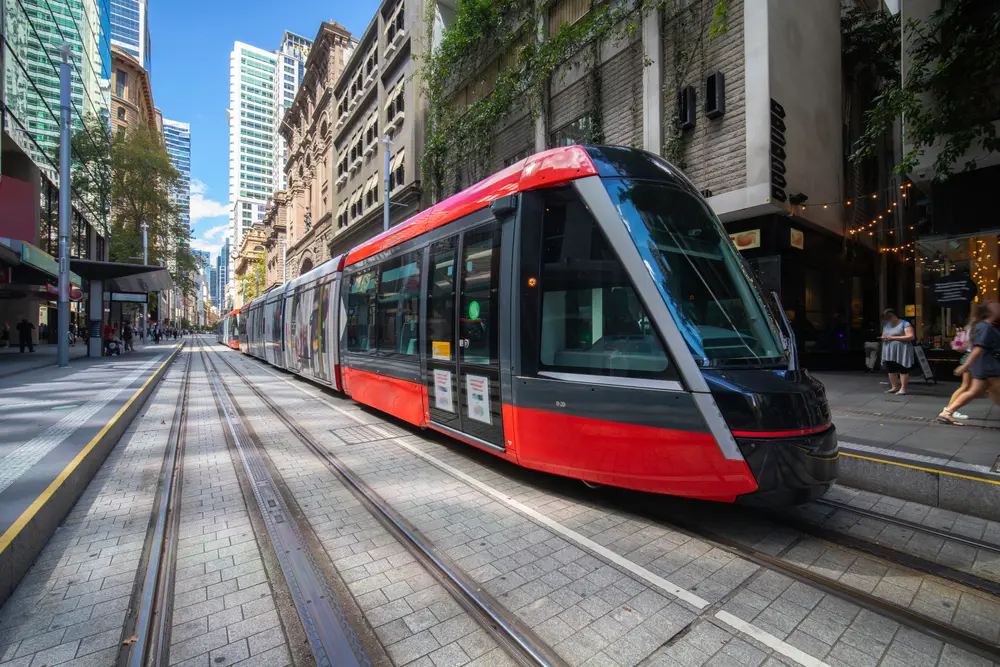
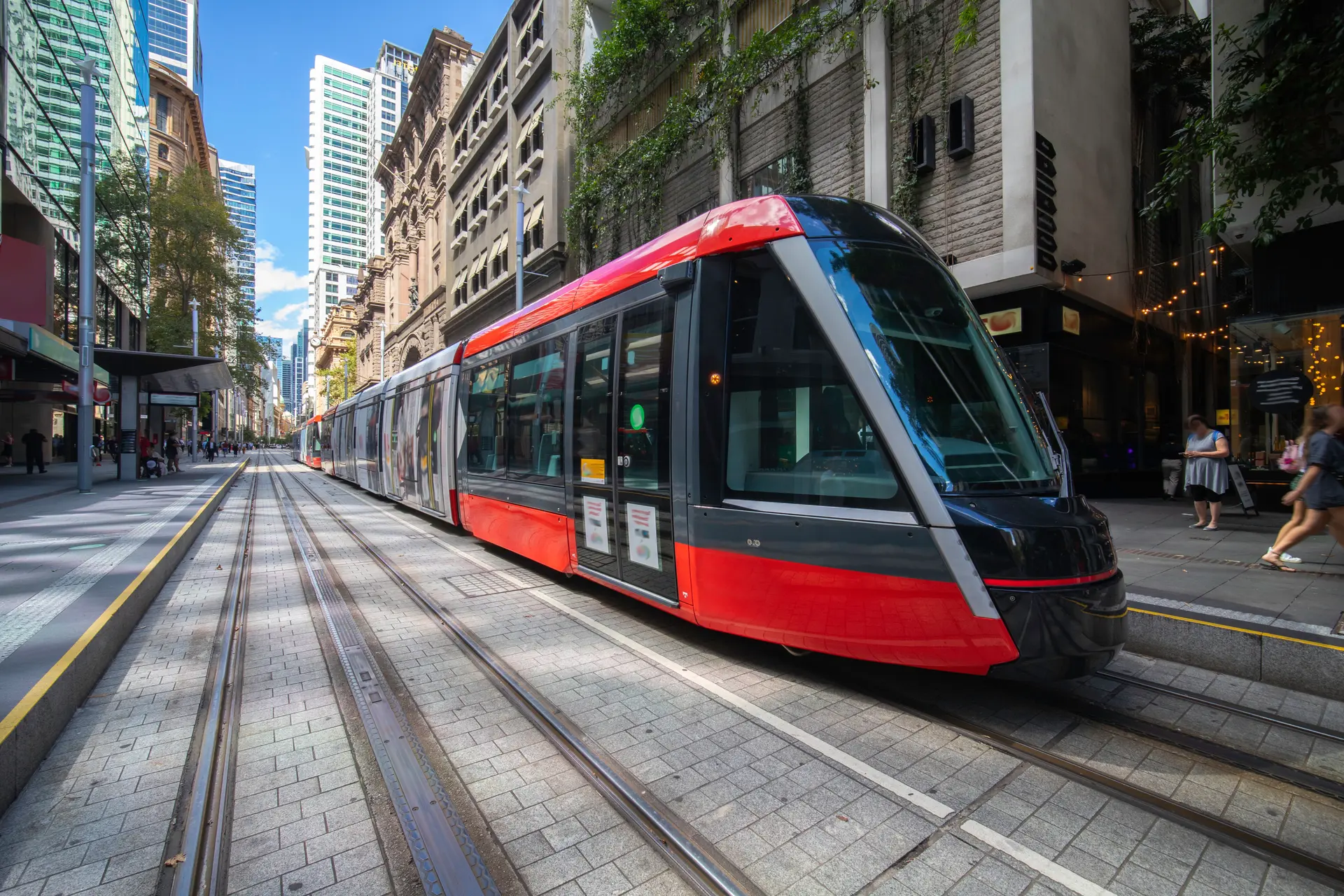
Metro M1 now reaches Bankstown. The former T3 rail line between Sydenham and Bankstown reopened as metro on 30 October 2026, so driverless trains now run from Tallawong in the north-west through the CBD to Bankstown. The new Sydney Fish Market opened at Blackwattle Bay on 19 January 2026, and Powerhouse Parramatta, a major new museum, is scheduled to open on 7 November 2026. Check the latest details before you go — new places often adjust hours in their first months.
Sydney neighbourhood by neighbourhood
Each area has its own guide. For a first trip, most visitors split their time between the harbour, one beach and one inner-city village:
- The Rocks and Circular Quay: sandstone lanes, ferries and the classic views.
- CBD, Darling Harbour and Barangaroo: shopping, museums, Chinatown and waterfront dining.
- Surry Hills, Paddington and Newtown: cafés, terraces, bars and street art.
- Bondi and Coogee: surf beaches linked by the coastal walk.
- Manly and the Northern Beaches: the ferry ride, the Corso and Palm Beach.
- Mosman and Taronga: the zoo, harbour beaches and North Shore views.
- Parramatta: colonial history and Sydney's second city centre.
- Cronulla and Royal National Park: southern beaches and wild coast.
Money and typical costs
Prices are in Australian dollars (A$) and include 10% GST. Cards and phone payments are accepted almost everywhere, often with a small card surcharge; cash is rarely needed. Tipping is not expected, though rounding up or about 10% for good restaurant service is appreciated. Many restaurants add a weekend or public-holiday surcharge, which must be shown on the menu.
The table gives rough, hedged ranges seen in 2026; they rise sharply in late December, around New Year's Eve and during big events. Visitors can claim back GST on some goods taken out of the country through the Tourist Refund Scheme at the airport — check the current conditions with the Australian Border Force.
| Item | Typical range (A$) | Notes |
|---|---|---|
| Hostel dorm bed | 40–80 per night | Higher in summer and on weekends |
| Mid-range hotel room | 200–380 per night | CBD weekends can be cheaper than weekdays |
| Harbour-view or luxury room | 450+ per night | New Year's Eve often needs minimum stays |
| Flat white coffee | 5–7 | Sydney takes its coffee seriously |
| Casual lunch | 18–30 | Food courts and Asian eateries are cheapest |
| Public transport, one day | Up to 19.30 | Adult Monday–Thursday cap; 9.65 Friday–Sunday |
Safety, health and the sun
Sydney is a safe city by international standards; normal big-city care applies late at night around busy nightlife strips and stations. The emergency number for police, fire and ambulance is 000.
The real risks are natural. The UV index is high for much of the year, even on cloudy days, so use sunscreen, a hat and sunglasses. At the beach, swim only between the red and yellow flags — read our beach safety guide. On coastal walks, carry water, stay behind fences and keep away from rock-shelf edges where waves can surge without warning.
Practical details
- Entry: almost all visitors need a visa or electronic travel authority (ETA or eVisitor) before flying; check the Department of Home Affairs website.
- Time zone: AEST (UTC+10); daylight saving (AEDT, UTC+11) runs from the first Sunday in October to the first Sunday in April.
- Power: 230 V, Type I plugs (two angled flat pins).
- Water: tap water is safe to drink; refill stations are common.
- Phones: local SIMs and eSIMs from the main networks are easy to buy at the airport or in the city.
- Language: English, with many other languages spoken across the city's communities.
Frequently asked questions
Is Sydney or Melbourne better for a first visit?
Sydney is the stronger choice if you want the classic harbour, beaches and outdoor walks; Melbourne is more about laneways, food and culture. Many travellers fly between them in about 90 minutes.
Do I need a car in Sydney?
No. Trains, metro, light rail, ferries and buses cover everything in this guide, and parking is expensive. A car is only useful for some day trips such as the Hunter Valley or Jervis Bay — or join a tour.
What should I book in advance?
Harbour Bridge climbs, Opera House performances, New Year's Eve vantage points, Vivid-period hotels and popular restaurants. Most other sights can be booked a day or two ahead.
Is Sydney a good city for families?
Very. Taronga Zoo, harbour beaches with calm water, ferries, free museums and big parks make it easy. Pick a base near a train or ferry stop to cut travel time.
Sources and official information
Facts were checked against these official sources in November 2026. Opening hours, prices and timetables change, so confirm before you go.
SydneyTravel.com is independent and is not the official tourism board. Some links are affiliate links: tours go to GetYourGuide and hotels go to Booking.com, and we may earn a commission at no extra cost to you.